One in Ten
It’s a lifelong inflammatory condition that takes an immense toll on physical and mental wellbeing, yet many of those with endometriosis continue to suffer in silence. Nicole Saunders investigates Aotearoa’s devastating endometriosis epidemic.
With an estimated one in 10 women, girls, and those assigned female at birth suffering from endometriosis, the chronic health condition significantly affects New Zealanders’ physical and mental wellbeing. Despite endometriosis affecting 10 per cent of those assigned female at birth, it’s an invisible disease — with many suffering in silence from debilitating pain for years, or even decades, before receiving a diagnosis.
Tash Crosby, the founder of Talk Peach Gynaecological Cancer Foundation, recalls the pain she experienced throughout her teenage years and adulthood: “I constantly had back pain, fatigue, pelvic and abdominal pain that left me curled up in bed, unable to move.” But as many young women do, Crosby brushed off her period pain as ‘normal’.
Edie Carrie, who recently underwent surgery to remove stage-four endometriosis from her ovaries, bowel, the lining of her abdomen, and pouch of Douglas, recounts pain so severe that it started affecting her relationships and her overall quality of life. “I just started retreating,” says Carrie. “My intimate life suffered too. Sex became quite painful. It was very difficult trying to navigate that with a partner; it wasn’t easy.” Yet Carrie continued to go about her day-to-day, putting up with the pain, calling in sick to work, and cancelling social plans when it got too hard to cope. “For the longest time, I thought I was overacting and crazy,” Carrie says.
It’s a common thread and one that doctor Michael Wynn-Williams, an Auckland—based gynaecologist and advanced laparoscopic surgeon, hears frequently. “There’s a huge genetic component to endometriosis,” explains Wynn-Williams. And for many suffering from the condition, this idea of ‘normal’ period pain has been passed down through generations. “It’s what they see as normal within their family. They see their sisters, mothers, and grandmothers experiencing severe period pain and think it’s normal.”
But what is ‘normal’? And when should you seek help if you think the pain or symptoms you are experiencing are not within the realms of normal? Wynn-Williams says that it’s not uncommon, for those who menstruate, to experience some mild period pain from time to time, but what is considered ‘normal’ period pain can be relieved by over-the-counter pain relief.
“When the pain is affecting what you normally do; for example, if you’re young and can’t do sport when you have your period, or you’re taking time off work or school. When the pain impacts your enjoyment of life, and simple interventions aren’t working, seek help.”
A SILENT CONDITION
Knowing where to start or who to turn to for help can overwhelm many. Nowadays, the plethora of information available with a click of a mouse can be mind-boggling, to the point that simply understanding what endometriosis is can be difficult.
“Endometriosis is an inflammatory condition where cells like those from the lining of the womb end up outside the uterus,” explains Wynn-Williams. According to Tanya Cooke, chief executive of Endometriosis New Zealand (ENZ), endometriosis is generally considered to affect people in their reproductive years. “For some, it can be as early as their first menstrual period, whereas for others, it could begin to occur much later in life, and the effects sometimes continue beyond menopause,” she explains.
Symptoms can include pain with periods, pain during or after sexual intercourse, heavy bleeding, chronic pelvic pain, bowel problems, fatigue, and fertility problems, and can impact general physical, mental and social wellbeing. “Some people won’t experience any pain or symptoms. About a third of patients with endometriosis may experience difficulty or delay getting pregnant,” Cooke says.
As for how many Kiwis endometriosis affects, according to ENZ, over 120,000 people are living with endometriosis in Aotearoa. “It affects one in 10 of those identified as female at birth,” says Wynn-Williams. Though, he says, recent research has found that the number in Australia is more like one in nine. However, Wynn-Williams says endometriosis research is sparse in Aotearoa, particularly concerning Māori and Pasifika communities. “There are significant access issues and differences in the age that these patients are presenting. I see lots of younger, white women getting treated, and I see older women who are Māori and Pasifika who have struggled their entire life and have tried to get access to treatment without success.”
Wynn-Williams says it’s not an issue that’s easy to unpack. Cultural differences — the taboo of menstruation, access to primary and secondary care, and distrust in the healthcare system — play a role. “But we don’t know; this is all anecdotal. We need more research and more money spent looking at these communities,” he says.
THE GENDER PAIN GAP
It’s not exactly breaking news that there are massive equity issues concerning medical research on women’s health. Although many sufferers still contend with outdated notions of chronic pelvic pain, Wynn-Williams maintains that change is afoot. The All-Party Parliamentary Group on Endometriosis in the UK was launched in 2018, and its goals are ambitious. According to a recent New Zealand study, the delay in diagnosis averages almost nine years. It’s a similarly heartbreaking statistic around the globe. Still, impressively, the UK parliamentary group has committed to reducing the delay from eight years to four by 2025 and then to one year by 2030.
Closer to home and across the ditch, the Australian Government has started to shine a light on endometriosis. In recent years, there’s been a public apology to people living with endometriosis by the government; a national action plan to improve the treatment of endometriosis; and, more recently, an A$58 million (approximately NZ$65 million) commitment to support those living with the condition.
Wynn-Williams believes that, here in Aotearoa, dismantling individual DHBs and introducing Te Whatu Ora — Health New Zealand — will improve access to care for many. “In New Zealand, we need a national action plan,” he says. Currently, he explains, each DHB has a different referral process. “It needs to be consistent throughout the country. GPs need consistent referral pathways.”
THE PAIN–ANXIETY CYCLE
We still don’t understand much about endometriosis, particularly when it comes to pain. Another puzzle affecting people living with endometriosis is that pain is not always related to the menstrual cycle or the severity of the disease. “There is poor correlation between the severity of the disease and the symptoms,” explains Wynn-Williams. “We understand that the disease has a genetic component; it has something to do with your immune system and potentially has something to do with stem cells. There are a whole lot of factors that cause endometriosis, but ultimately, we don’t know. If we knew we would be able to fix it.”
Then there are the complexities of how our bodies deal with pain, which Wynn-Williams says are still a big mystery. “Any pain experienced is not as simple as ‘I prick my finger; I feel pain’. It’s related to many other things — what my mood is like, how much stress I’m under, how happy I am; all these other experiences in my life reflect on my pain experience.”
Wynn-Williams says that it’s common for those suffering from chronic pain to doubt their experience. “It’s very much an evolutionary thing in how your body deals with pain. Your body wants you to forget the pain.” And for those with endometriosis, it can be hard to remember their last period: “So, they start thinking: was it that bad? Was it all just in my head?”
Ironically, the longer you experience pain, the more likely your central nervous system will rewire itself. “Some people, when they experience pain repeatedly, experience changes in their central nervous system. And you get physical changes you can see on an MRI,” explains Wynn-Williams. While this doesn’t happen to everyone suffering from endometriosis, central sensitisation can occur. “Central sensitisation occurs in the area of the brain near where anxiety and depression occur. The neurochemicals are very similar and start feeding off each other, making your anxiety worse, your depression worse, and your central sensitisation worse. It’s a spiral,” he explains. “If you can’t reach your full capacity, whether it’s fertility, finance, education or career, because you have this pain, imagine how that will affect your mental health.”
Wynn-Williams is not wrong: while the pain can be crippling, the impact endometriosis has on the mental well-being of those living with it is devastating. “People contact ENZ every day, desperate for help with nowhere else to turn,” says Cooke. She references a recent study, An Aotearoa New Zealand Survey of the Impact and Diagnostic Delay for Endometriosis and Chronic Pelvic Pain, which details the immense toll that the condition takes on people’s livelihood. Eighty-one per cent of respondents avoided sex because of chronic pelvic pain, and 73 per cent of respondents were afraid to tell their employer about their pelvic pain because they feared it might affect their prospects.
LOOKING FORWARD
It’s a complex condition that desperately needs more government funding, research, and attention, but, unfortunately, there is no quick fix for its sufferers. While laparoscopic surgery can help, it’s not a silver bullet. Because of this, Wynn-Williams is a proponent of an interdisciplinary approach to managing endometriosis: “We need to build endo clinics in New Zealand that involve a gynaecologist, endometriosis nurse, pain psychologist, pelvic physiotherapists, pain specialists, and even psychiatrists in some cases. We need specialist units to help these people with multi-organ difficulties.” Wynn-Williams says that the seedlings for such clinics in Auckland have been planted.
Meanwhile, many suffering from endometriosis and chronic pelvic pain will continue to advocate for themselves. “I wish I could tell my younger self to advocate more. Not just to my GP, but to my friends and family. Maybe I would have gotten a diagnosis earlier,” says Carrie. Yet, as Crosby reminds us, campaigning for your health is a privilege: “It’s not afforded to everyone. This is why we must be having these conversations. If people can recognise things within themselves through someone else sharing their story, that empowerment helps them feel more confident seeking medical advice.”
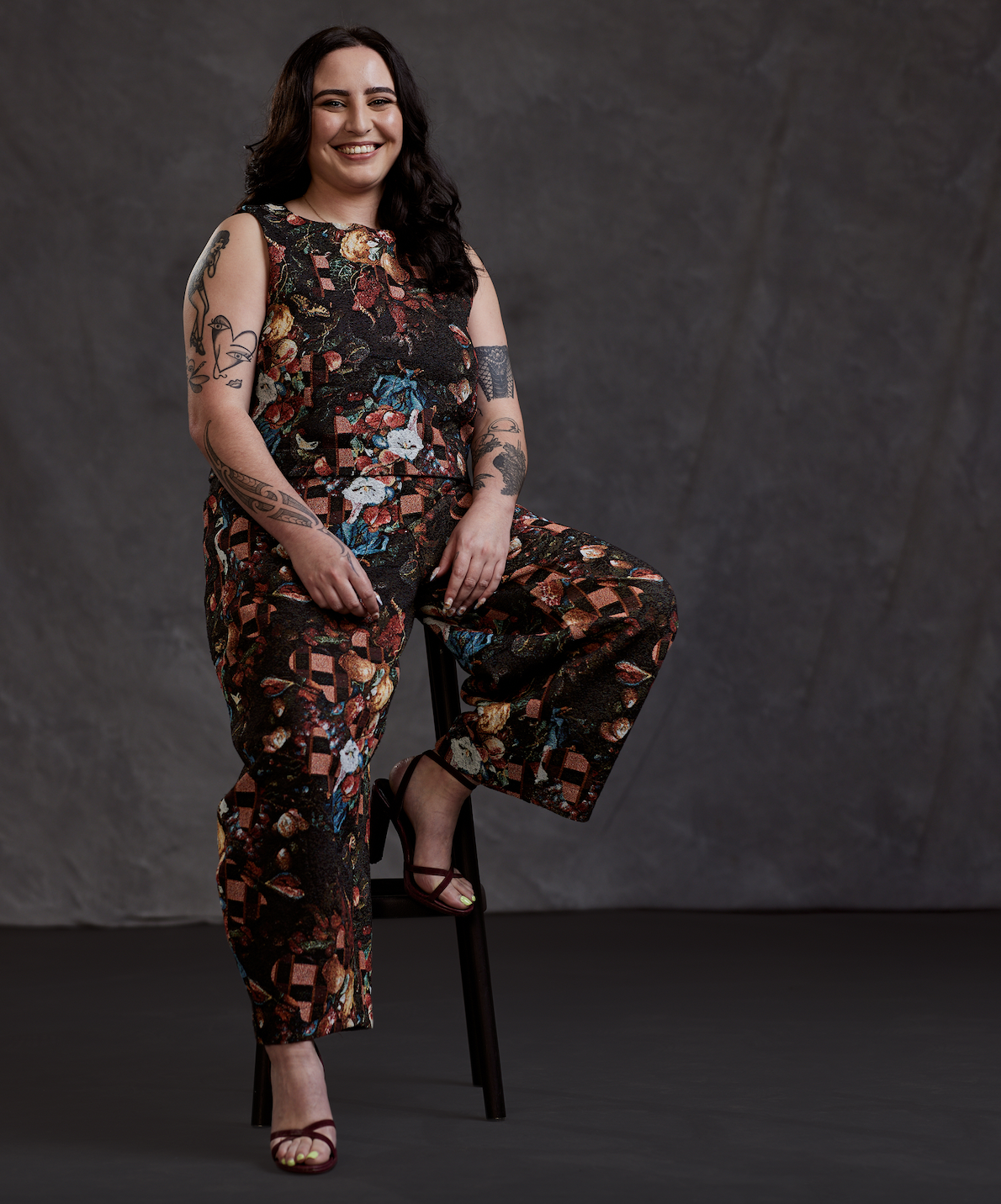
Jade first realised something wasn’t quite right after coming off the contraceptive pill when they were 19. “I was walking home from work and felt my ovary ‘pop’. I immediately told my mum, who was in her 30s, when she had a full hysterectomy, and she said I needed to sort it out straight away. She made sure I pushed for a referral.”
Getting diagnosed while Jade was entering adulthood was tricky to navigate. “I was trying to figure out who I was and what I could deal with as a 19-year-old, trying to figure out how to deal with a chronic illness and take it seriously while enjoying life in my early 20s.”
Surrounding themself with people who could understand and accept Jade’s journey with chronic pain has been something they have learnt to embrace along the way. But as Jade identifies as takatāpui — or non-binary — they explain finding a space within the endometriosis support world has taken time, and often they’ve needed to forge and foster those communities themself.
“A lot of stuff to do with endometriosis is very pink and feminine, and I understand that people need that messaging, but many people I know are trans or non-binary and have endometriosis.” While Jade says every endometriosis journey is unique, being trans or non-binary adds another element of complexity. “The whole situation is different. There are different challenges. There are layers to it. And there’s often transphobia. It’s hard to feel comfortable.”
Now stage four, Jade says their endometriosis experience has been one of constant learning. “I had a third surgery last year, and that’s when I found out about the pelvic floor. But it took nine years for a doctor to tell me the pelvic floor is related to endometriosis. I felt like I knew all there is to know, but I learn something new each day.”
Although navigating each new chapter of their endometriosis journey has challenges, Jade is upbeat and positive. They hope their looking-on-the-bright-side approach might encourage others suffering from chronic pain conditions to seek help and talk about what they are going through. “I don’t want my story to come across like it’s been so traumatic and for other people to be afraid. You can talk to me, you can DM me. People need that positive reinforcement. We need to laugh. Everyone who has endo has those hard days, but sometimes you need to just spin a yarn with others who understand what you’re going through.”
JADE KAUKAU
Stage Four
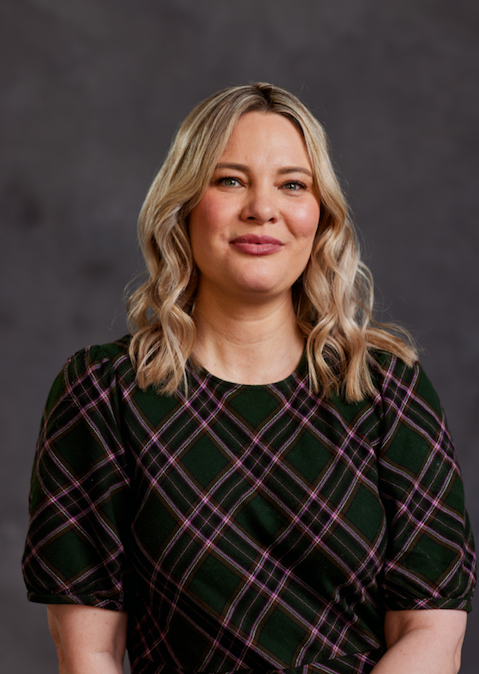
In 2016, at 36 years of age, Tash Crosby was convinced that her endometriosis was back with a vengeance. After having stage-four endometriosis removed three years prior, the nagging pain that Tash had experienced was plaguing her once again. “When things started feeling off with my body again, I went straight to the doctors,” Tash explains. “I told them my endometriosis has grown back, and I want surgery to remove it.”
Her GP examined her abdomen and pelvic region and agreed that something wasn’t right, which prompted a call to the hospital. Although the hospital declined to see Tash, her GP was still concerned. “He said, ‘If you feel off during the weekend, I want you to take yourself to the emergency department’, so I did.”But it wasn’t until her third visit to the hospital that Tash’s pain was taken seriously. “We were frustrated, so my mum said to put on the waterworks. I finally got sent for a CT scan after having a big cry, and that’s when they picked up a suspected tumour on my ovary, which led to a diagnosis of ovarian cancer.”
Fortunately, Tash was diagnosed with stage-one ovarian cancer, which is uncommon. Due to vague symptoms that mimic more common and less life-threatening conditions, ovarian cancer is often diagnosed later, once it has already spread.
“My experience with endometriosis is unique because, in the end, endometriosis is what saved my life,” says Tash. And, while the constant doctor’s appointments and time spent searching for a diagnosis caused Tash much anguish and frustration over the years, she says that her immense experience advocating for herself within the health system motivated her to keep pushing once again when the pain returned.
Tash’s personal experience advocating for her health inspired her to do something with all the knowledge she had gained. Today, Tash heads up the gynaecological cancer charity Talk Peach. Nothing is taboo in the Talk Peach world, and that’s just the way Tash feels it should be throughout Aotearoa. “We are super positive about discussing anything to do with vaginas, vulvas and uteruses; there’s no shame,” she says. “Because it’s those conversations that have the potential to save lives and empower people to advocate for themselves.”
TASH CROSBY
Stage Four
KAARINA RANGI PARKER
Stage Two
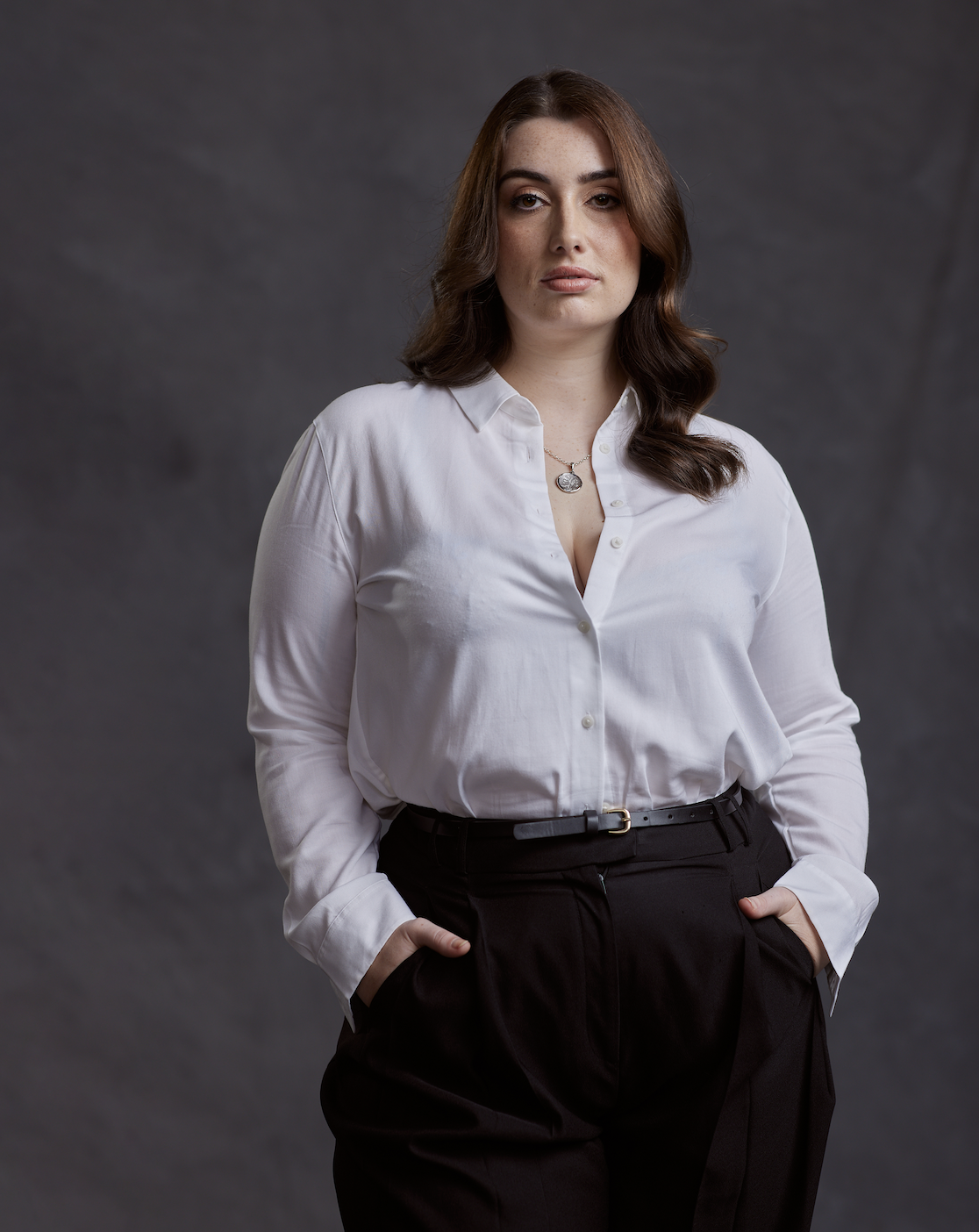
Kaarina’s story — a drawn-out and, at times, discouraging journey to get a diagnosis — will, without a doubt, resonate with many people with the chronic inflammatory condition.“I had never heard of endometriosis,” she says, “All I knew was I was in a disproportionate amount of pain, and it came to a head when I was around 24 years old because it was becoming difficult for me to work and function.”
At first, Kaarina assumed that she was having some other abdominal issues — one pain flare-up was so bad that her doctors thought she had appendicitis. “But I didn’t. And I was bounced around four specialists before I saw an OB-GYN, and she diagnosed me with endometriosis, which I had never heard of at the time.”
“The impact on my mental well-being was quite severe,” says Kaarina. “At first, when I didn’t know what was happening to me, it made me very depressed not being able to work or do normal things when I had my period.” And although a diagnosis often provides solace to many, Kaarina found that her depression very soon morphed into crippling health anxiety. “I found I had health anxiety because doctors would tell me everything was fine whenever anything was wrong with me, and I would think, Oh, I’ve heard that all before, so what’s going on,” she explains. “Small problems became blown out of proportion in my head.” As a result, Kaarina admits she found it very difficult to trust the opinion of a single doctor. “It’s been a hangover of this whole experience.”
Kaarina says that her health anxiety is something she’s still working through, but there are some learnings she would like to share with others who are in a similar boat: “Seek out medical practitioners that have an empathetic approach, that aren’t dismissive, who listen, who may have had similar experiences. Finding people I can trust has made a huge difference to me.”
Today, Kaarina has found a gynaecologist she trusts, and she says she’s learned a lot from her. “The biggest myth about endometriosis I would like people to unlearn is that pain is normal,” she says. “That’s something my specialist taught me; she taught me if your period pain is impacting your ability to function, then that is not within the parameters of normal.”
Words & Creative Direction Nicole Saunders
Photography Stephen Tilley
Videography Ben Ireland & Glenn Manchester